

Engineering Malaysia's new energy transition

KUALA LUMPUR: In industrial facilities, steam energy systems often work quietly behind the scenes, ensuring operations run efficiently and reliably every day.
Their vital role may go unnoticed, yet their performance underpins productivity, cost efficiency and compliance.
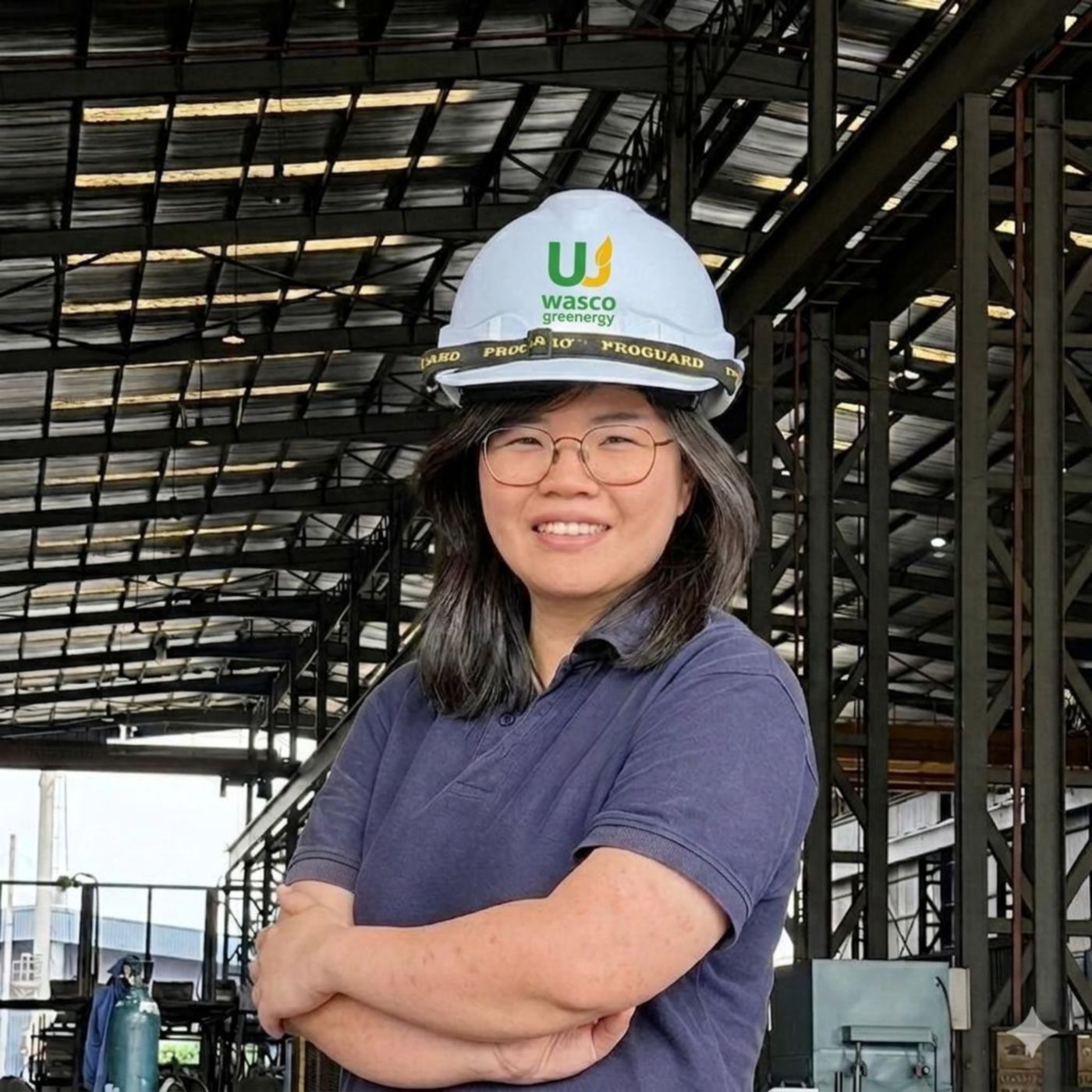
This essential responsibility has profoundly shaped See Hooi Nee's 17-year career as senior design manager at Wasco Greenergy Bhd.
Today, she leads the design of biomass steam energy systems that deliver continuous, high-pressure steam to industrial users while supporting Malaysia's renewable energy ambitions and advancing decarbonisation initiatives through biomass utilisation.
As International Women's Day 2026 highlights the importance of greater representation in leadership across industries, See's role illustrates how women are increasingly shaping technical leadership in sectors critical to the energy transition.
Together with World Engineering Day for Sustainable Development, her work reflects how engineering expertise and accountability are driving the infrastructure behind a more sustainable future.
Over nearly two decades, she has worked on projects ranging from two tonnes per hour to 90 tonnes per hour, with pressure designs from 10 barg up to 85 barg.
This extensive scale highlights not only the technical complexity of her work but also the immense operational responsibility she holds in facilities where reliability is paramount.
In heavy industrial engineering, leadership roles have traditionally been dominated by men.
As more women step into technical leadership roles, professionals like See reflect a gradual shift in how engineering leadership is evolving.
Designing For Long-Term Performance Malaysia's palm oil industry generates substantial residues such as empty fruit bunches, palm kernel shells and palm oil mill effluent.
These materials power biomass steam energy systems that support industrial operations while lowering reliance on fossil fuels.
For See, the significance of her role became clear early in her career.
One defining project was a 12-tonne single-pass boiler supplied to Kenya, undertaken while she was still young engineer.
"At that time, I was still very new, and taking on the project felt overwhelming," she recalled.
The assignment required her to scrutinise every calculation, validate every assumption and ultimately sign off on a system that would operate in an industrial environment thousands of kilometres away.
That experience reinforced her sense of responsibility and accountability.
"It is no longer enough for an engineer to deliver a system that simply works; we must think about how our solutions affect people, communities, and the environment, not just today, but for generations to come," she said.
This philosophy now guides her approach to every project.
Designing for optimal performance means managing variability.
Biomass, for instance, can vary in moisture content and combustion behaviour, requiring system to remain stable and efficient under different conditions.
See ensures her designs do just that.
"Instead of letting valuable energy escape through the chimney, we look for ways to recover that heat using economisers and air preheaters. This recovered heat can then be used to support other parts of the process," she explained.
As Wasco Greenergy expand beyond a traditional EPCC-driven model into long-term asset ownership under BOOT and BOO frameworks, its role becomes even more critical.
By owning, operating and maintaining biomass steam energy systems over extended periods, the company takes on greater responsibility for how these systems perform over time.
This places stronger emphasis on engineering decisions that drive long-term efficiency, reliability and cost discipline.
Engineering Responsibility in Action
While the industry is evolving, it remains a demanding environment.
For See, navigating it has required both technical discipline and personal resilience.
"For me, it means working twice as hard and making sure you never stumble over the same stone twice," she said.
"You stay prepared, stay sharp and and stand firm in rooms where people may underestimate you before they understand your work."
Over time, results speak louder than assumptions.
"Every project completed and every challenge solved is proof of something powerful," she added. "We are never out of place. Follow your passion, show your grit, and own where you belong."
See's journey reflects the quiet determination behind many engineering breakthroughs.
In industries where precision and accountability matter every day, progress is shaped by individuals who combine technical expertise with a deep sense of responsibility.
As Malaysia accelerates its energy transition ambitions, the nation's progress hinges on engineers like See, who possess the unique ability to translate strategic visions into tangible, operating infrastructure.








Leave A Comment